.jpg)
As we move through 2026, businesses across Cornwall and the South West are continuing to navigate a challenging energy landscape. Rising costs, shifting regulations, and increasing pressure to meet sustainability goals are shaping how organisations of all sizes think about their energy use.
With average electricity bills for small businesses sitting at over £5,500 a year, it’s never been more important to take control of energy efficiency. For Cornish businesses in particular, improving energy performance isn’t just about saving money. It’s about building resilience, reducing carbon footprints, and staying competitive in a changing market.
The good news is, many of the most effective changes are also the most sustainable. Read on for practical ways to reduce energy use, lower costs, and future-proof your business.
The Current Energy Landscape
In January 2025, wholesale electricity prices surged to £90.21 per MWh, a 67% increase over the past four years. This upward trend is expected to continue, with large businesses facing additional costs due to investments in energy infrastructure like the Sizewell C nuclear plant, potentially adding £221,000 to their annual energy bills by 2026.
Simultaneously, according to PWC's UK Energy Survey 2025, 89% of businesses reported increased energy consumption over the past year, driven by factors like digitisation, automation, and electrification. This combination of rising costs and growing demand makes energy efficiency not just a financial concern, but a strategic necessity.
Practical Steps for Energy Efficiency
While the challenges are significant, they also present opportunities for businesses to innovate and lead in sustainability. Here are some actionable steps you can take in your business to reduce both your consumption and your costs:
1. Conduct energy audits
Regular energy audits help identify inefficiencies and areas for improvement. They create a roadmap of potential areas for investment, and can uncover those quick wins that lead to immediate cost savings.
Revisit your findings annually to track progress and update your action plan as new technologies, incentives, or tariffs become available.
2. Take advantage of energy-saving upgrades
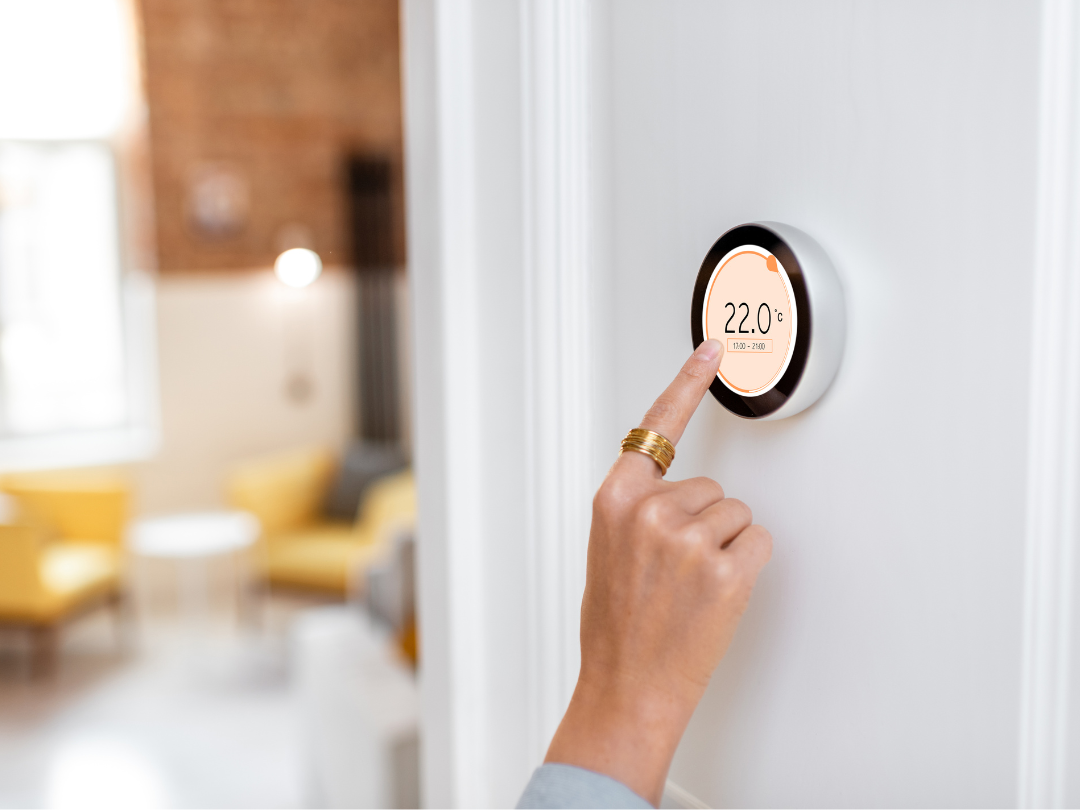
Investing in modern, energy-saving technology can deliver immediate and long-term reductions in your energy bills. Simple upgrades such as LED lighting, motion sensors, and smart thermostats can significantly reduce electricity consumption. Heating is usually the biggest energy cost in a workplace, accounting for 49% of energy use in a non-domestic building.
Switching to a low-carbon heat pump can boost energy efficiency, cut carbon emissions by up to 70%, improve EPC ratings, and reduce bills. Small and medium businesses may be eligible for grants of up to £7,500 through the Boiler Upgrade Scheme.
3. Reduce heat loss and eliminate wasted energy
Nearly half of business electricity use happens outside standard operating hours, meaning there’s often plenty of room for savings. Start with simple behavioural and maintenance changes that add up over time:
- Use smart controls such as timers, sensors, and programmable thermostats to avoid heating or lighting unused areas.
- Reduce heat loss by sealing draughts, insulating hot water pipes and tanks, bleeding radiators for efficiency, and keeping windows closed when heating is on.
- Optimise workplace equipment by choosing energy-efficient devices and adjusting settings (for instance, reducing screen brightness or using power-saving modes).
- Shut down fully; encourage staff to turn off computers, monitors, and appliances at the end of the day rather than relying on standby mode.
Laptops typically use around 50 watts of electricity per day compared to 140 watts for desktops — small choices like these can deliver measurable savings across a team.
4. Embrace renewable energy solutions
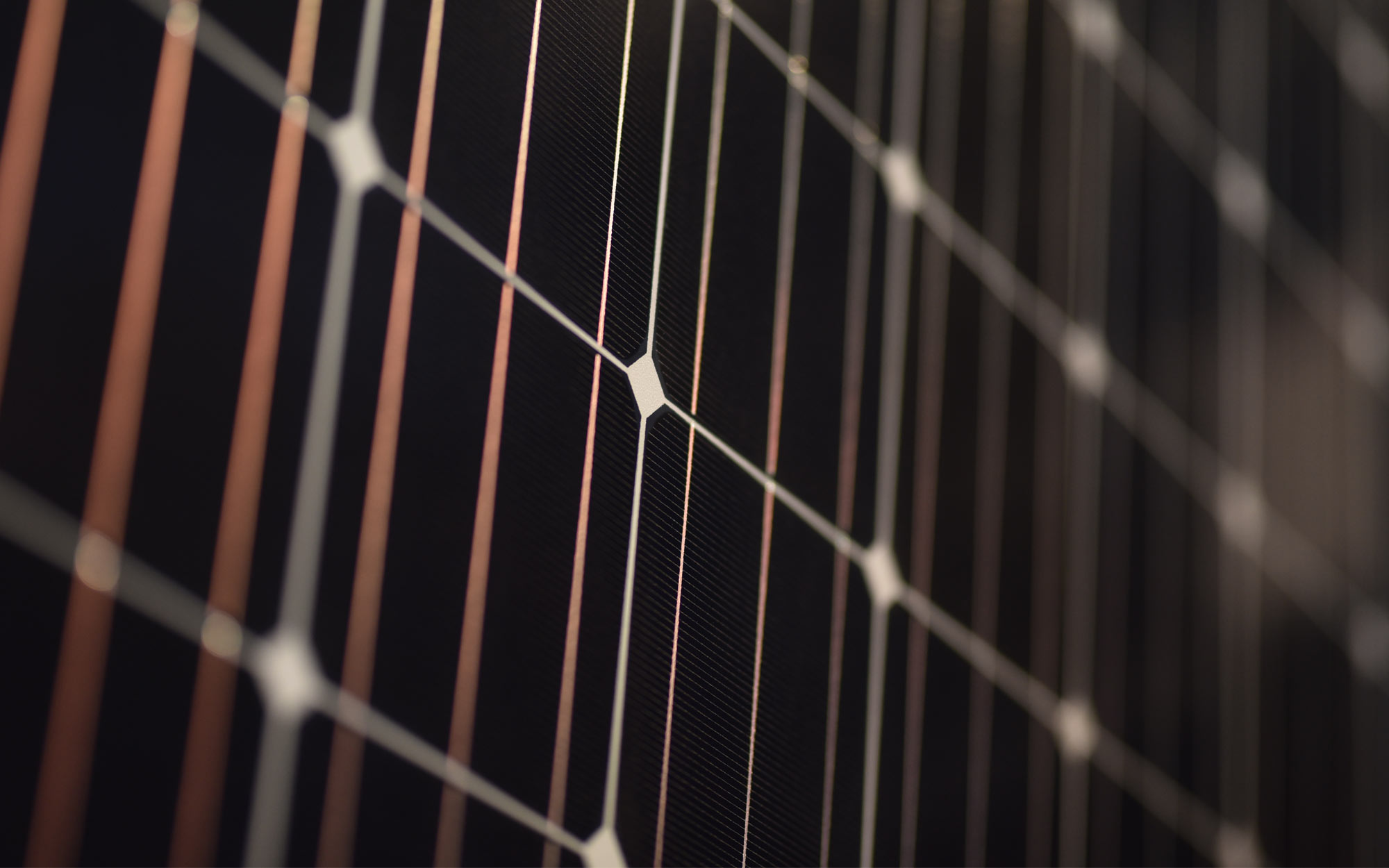
Solar panels for businesses are a long-term, low-maintenance solution to rising energy costs and carbon reduction goals. By generating clean electricity on-site, you can dramatically lower grid dependence and stabilise your operating costs for years to come.
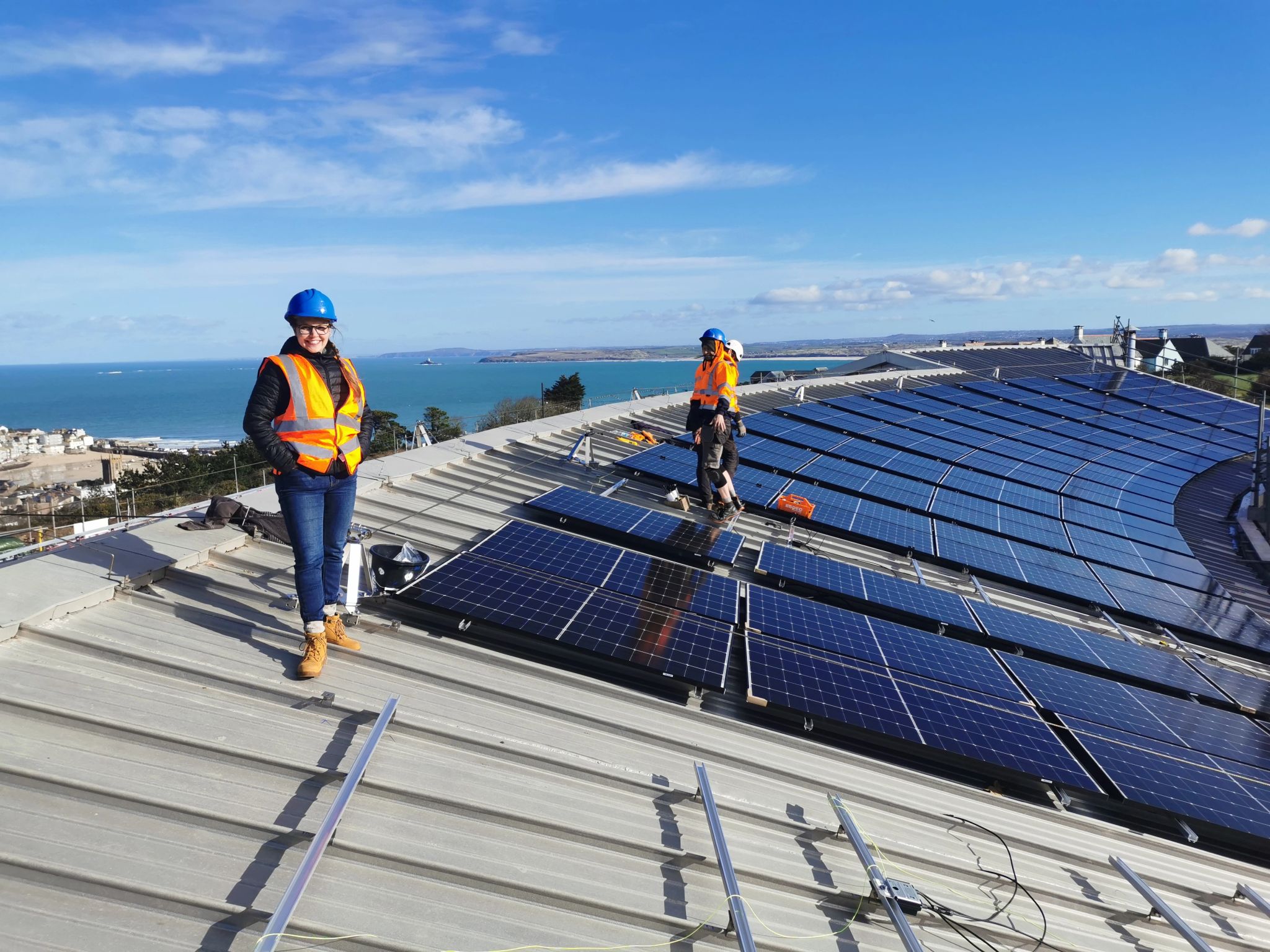
We’ve seen first-hand the impact that well-designed solar installations can have for Cornish businesses. The 202.95 kWp PV system we installed at St Ives Leisure Centre generates nearly 194,000 kWh annually, covering over 70% of its total energy use and avoiding more than 38,000 kg of COâ‚‚ emissions each year!
From small commercial rooftops to large-scale ground-mounted systems, renewable energy installations can be designed to suit almost any sector — from hospitality and agriculture to industrial units and community organisations — transforming unused roof space into a reliable, sustainable energy source.
5. Adopt energy storage systems
Energy storage technology is revolutionising how businesses use their renewable power. Solar batteries allow you to store surplus electricity generated during the day for use in the evenings or during periods of high demand, ensuring that every kilowatt of clean energy your system produces is put to work efficiently.
Beyond cost savings, storage adds resilience. With the right system design, including smart inverters, backup functionality, and scalable battery units, your business can maintain power continuity during outages and reduce reliance on the grid at peak tariff times.

6. Monitor and Manage Energy Usage
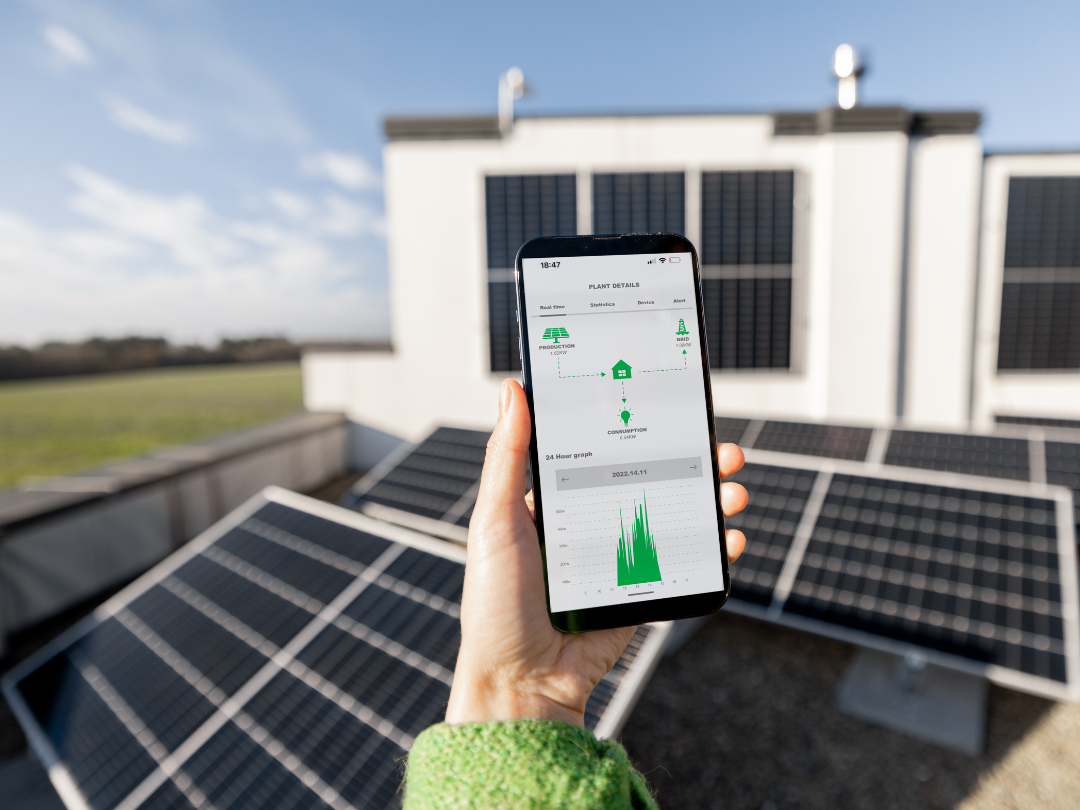
You can’t manage what you don’t measure. Smart meters and energy management systems show how and when your business uses energy, helping you spot waste and make quick improvements.
Once you see the patterns, it’s easier to set goals, cut unnecessary costs, and track your progress over time. Plus, having this data at your fingertips strengthens your sustainability story; something customers increasingly care about.
Real-World Impact
At Natural Generation, we have plenty of examples of how solar panels and battery storage systems can help businesses in Cornwall to save money, year after year. This solution works across various sectors - especially here in Cornwall, where many businesses see peak demand in the summer months, with longer daylight hours and more potential to generate your own energy through solar.
As a high energy consumption business, St Ives Leisure Centre's experience shows the tangible benefits of investing in energy efficiency and renewable energy. Their solar power system saves them 39.1% in energy costs, with significant COâ‚‚ savings too.
Similarly, Newquay Leisure World (formerly Waterworld) now generates around 63,774 kWh of clean energy each year throuh their solar PV system, meeting almost all of their power needs and achieving 99.8% self-consumption. This has given them substantial savings on their electricity bills, as well as avoiding over 12 tonnes of COâ‚‚ emissions each year.
At Hill Farm in Torrington, embracing renewable energy by adding a 160kWp ground-mounted solar PV system has given them a huge total of 336kWp of solar generation capacity, complemented by two 55kW Endurance E3120 wind turbines. This enhances the farm's energy independence, lowers their bills and shrinks their carbon footprint.
We also helped Surfers Against Sewage to significantly reduce their energy costs by installing a 12.9kWp photovoltaic (PV) commercial solar panel system with 9.2kWh battery storage, allowing them to focus even more of their resources on protecting our oceans.
The Benefits of Adopting Green Tech
Investing in eco-friendly technology isn’t just good for the planet; it’s good for business too. More and more customers are actively choosing to spend their money with companies that take sustainability seriously. In fact, a recent PwC survey found that 66% of consumers are willing to pay more for sustainably produced goods. That’s a clear sign that being green isn’t just a nice-to-have; it’s becoming a real driver of brand loyalty and trust.
And the benefits don’t stop there. Energy-efficient upgrades — like LED lighting, smart thermostats, or solar panels — can make a big dent in your utility bills. Some businesses even generate enough power to sell electricity back to the grid. A 2023 study also showed that eco-conscious customers tend to stick around longer, with their lifetime value increasing by nearly 30% for brands that demonstrate genuine sustainability.
Most importantly, embracing green tech helps protect the environment and supports a more sustainable future for businesses, communities, and generations to come. It’s not just the ethical choice; it’s a smart, future-focused one that strengthens your bottom line and your reputation.
Staying Ahead of the Curve
The UK’s Streamlined Energy and Carbon Reporting (SECR) rules mean businesses now need to keep track of their energy use and carbon emissions. It might sound like red tape, but it’s actually a great opportunity to take control of your energy strategy. By managing your energy use proactively, you’re not just staying compliant — you’re showing customers, partners, and employees that your business is serious about sustainability.
In 2025, energy efficiency isn’t just about cutting costs; it’s about building a business that’s resilient, responsible, and ready for the future. By investing in smarter energy practices and renewable solutions, you can save money, stay competitive, and play your part in creating a cleaner, greener world.
For more information on how renewable energy could help reduce energy costs in your business, talk to our team today.